Embracing Nature: Top Tips for Sustainable Forestry and Thriving Backyard Biodiversity
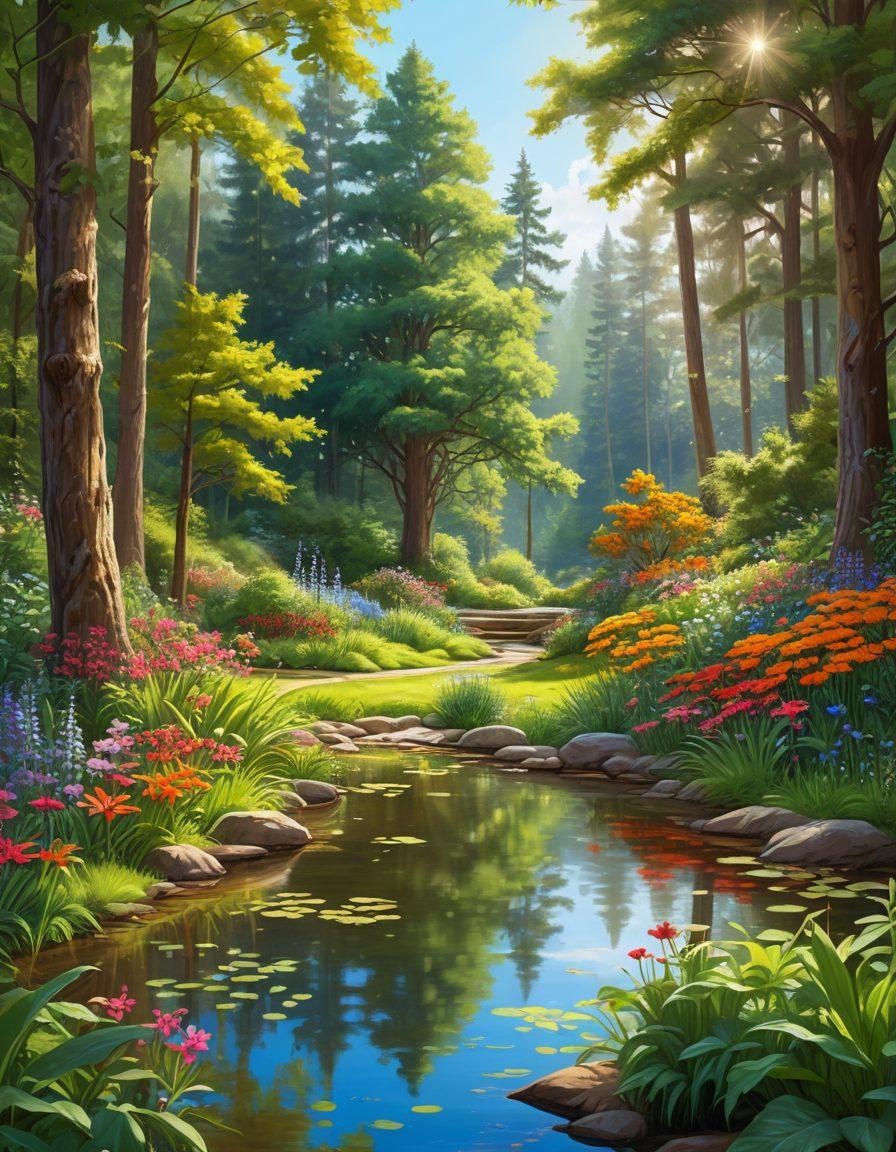
As individuals increasingly seek connections to the natural world, the push for sustainable forestry practices has never been more crucial. Imagine stepping into your backyard, a vibrant tapestry of greenery, teaming with wildlife and native plants that tell a story of care and harmony. This vision isn’t just a dream; it’s a possibility when we integrate sustainable forestry practices into our outdoor living spaces. In this blog, we will explore how you can cultivate a greener future right at home, contributing to biodiversity and nature conservation, while also enjoying the numerous benefits of eco-friendly landscaping ideas.
So, what does it mean to embrace sustainable forestry in our backyards? Sustainable forestry is about managing woodlands in ways that are environmentally sound, economically viable, and socially responsible. By incorporating such practices into your backyard gardening, you not only enhance your local ecosystem but also create a sanctuary for wildlife. Imagine inviting songbirds, butterflies, and beneficial insects into your space, transforming it into a thriving habitat. As the saying goes, "To plant a garden is to believe in tomorrow." By engaging in sustainable practices, you are indeed planting the seeds for a vibrant future.
One actionable way to begin your journey into sustainable forestry is by choosing native plants for your garden. Native species are well-adapted to the local environment, requiring fewer resources and nourishing the existing wildlife. They play a pivotal role in maintaining biodiversity, making your backyard a protective haven for various species. Acquaint yourself with your region's native flora and fauna and watch as your gardening efforts result in a lush, healthy ecosystem teeming with life. Besides beautifying your surroundings, native plants also serve as vital links in the food chain, supporting local pollinators and offering shelter for wildlife.
Implementing permaculture principles is another effective way to foster sustainability in your green spaces. This holistic approach to land management mimics natural ecosystems, creating a self-sustaining environment that reduces waste and enhances biodiversity. For instance, strategically layering plants, creating rich compost, and diversifying crops can dramatically improve your soil health and food yield. Ask yourself: how can your actions contribute to both the bounty of the earth and the wealth of life around you? Through responsible practices, you’re not just tending to your garden; you’re nurturing the planet.
Engaging in outdoor activities and forestry management can also deepen your relationship with nature. Join local conservation efforts or volunteer with community forestry initiatives. Such participation connects you with like-minded individuals who share your passion for the environment, sparking inspiring conversations about sustainability and wildlife preservation. Take the time to appreciate the quiet of the forest and the intricate web of life it supports. Remember, as we dedicate ourselves to improving our green spaces, we create a ripple effect that fosters environmentalism not just in our backyards, but in our entire communities.
Harnessing Nature's Bounty: Essential Tips for Boosting Biodiversity in Your Outdoor Space
Have you ever wondered how you can transform your outdoor living space into a sanctuary for wildlife and a haven for biodiversity? When it comes to our backyards, many of us think of lawns and ornamental plants, but there is so much more to consider. As we embark on a journey toward sustainability and nature conservation, it's essential to understand the incredible benefits of nurturing our green spaces. With mindfulness and the right gardening tips, we can create a vibrant ecosystem that not only enhances our own quality of life but also supports the health of our planet. Let's delve deeper into some essential tips for boosting biodiversity right in your own backyard!
One of the most effective ways to enhance biodiversity is by incorporating native plants into your garden. Native plants have co-evolved with local wildlife, making them indispensable in attracting pollinators and maintaining a balanced ecosystem. Imagine walking through a lush woodland of wildflowers and grasses, resonating with the gentle buzz of bees and the cheerful song of birds. Utilizing native plants doesn't just beautify your space; it promotes eco-friendly practices that contribute to environmentalism and sustainability. Start by researching which native plants thrive in your region, and be prepared to witness your garden come alive with wildlife!
Have you ever thought about how maintaining a diverse array of plant species in your yard can lead to a flourishing habitat? By implementing permaculture principles, you can design your garden or landscape to be self-sustaining while fostering an array of flora and fauna. Think of it as embracing the wildness of nature within your own space. Consider creating layers within your outdoor area, with trees, shrubs, and ground cover to provide shelter and food for various animals. This approach doesn't just enhance biodiversity; it's also an innovative way of practicing forest management and arboriculture right in your home!
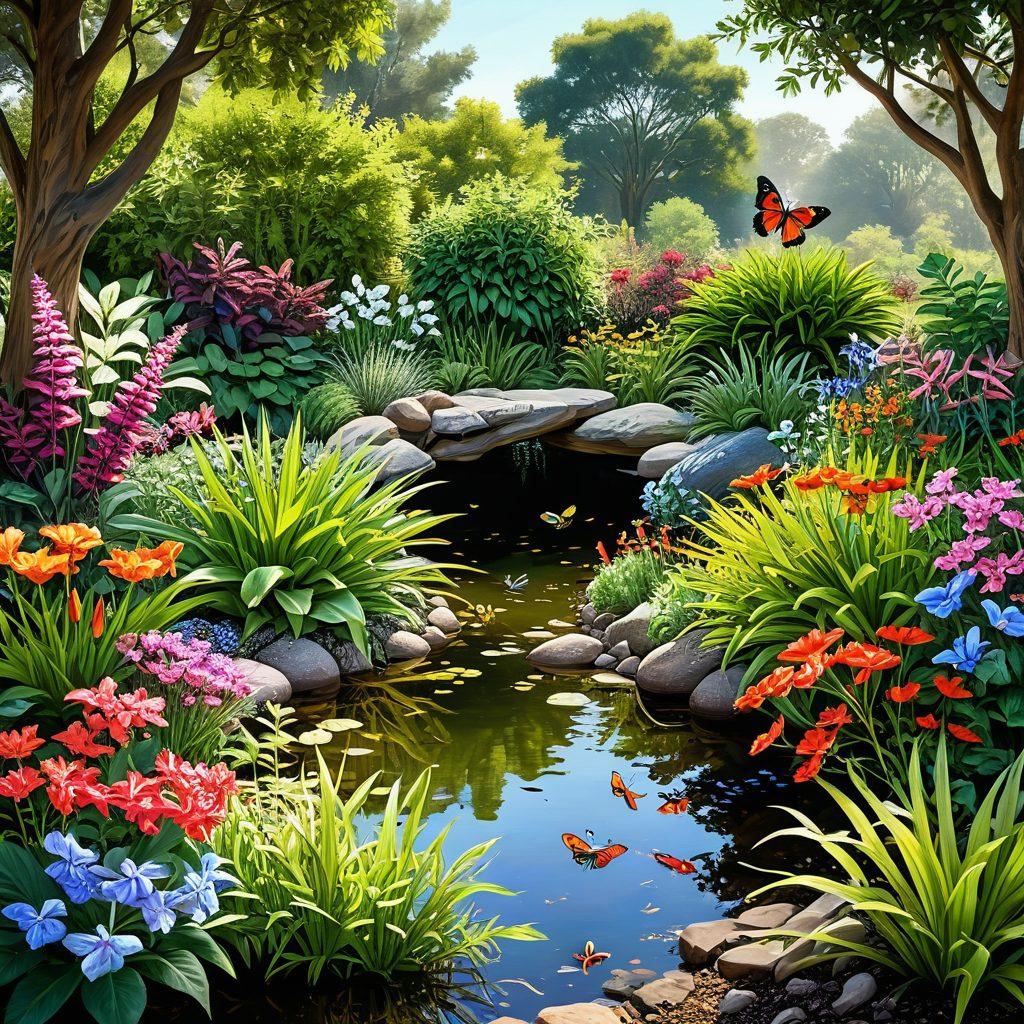
Engaging in outdoor activities that promote wildlife observation can deepen your connection with nature too. Just imagine setting aside a corner of your backyard as a mini wildlife sanctuary. By adding elements like a water feature or even a small pond, you create an inviting space for birds, frogs, and beneficial insects. The simple act of stepping outside and witnessing the beauty of harmony in your garden can be incredibly fulfilling. Not to mention, you might even inspire your friends and family to join in on the journey of sustainable forestry and eco-friendly practices!
The path to thriving backyard biodiversity is a journey worth taking. Whether through thoughtful planning of gardening tips, embracing green spaces, or engaging the community in nature conservation efforts, we all play a vital role in making our environment more sustainable. So, as you don your gardening gloves and enjoy your time in the dirt, remember that every little effort counts. Let’s celebrate the bounty of nature, creating backyard gardens that not only reflect our personal style but also contribute to the well-being of our planet. After all, as we embrace this beautiful connection to nature, we pave the way for future generations to experience the marvels of our world!
From Trees to Trails: Embrace Eco-Friendly Landscaping for Thriving Wildlife Habitats
In a world where concrete jungles often overshadow the beauty of nature, how can we cultivate green spaces that not only enhance our outdoor living experience but also support wildlife and biodiversity? Welcome to the lovely intersection of forestry and landscaping, where your backyard can become more than just a patch of grass. With a little creativity and commitment to sustainability, you can transform your garden into a thriving wildlife habitat. This blog will explore actionable landscaping ideas that are eco-friendly and promote nature conservation, all while creating a serene space for you and your loved ones.
Imagine stepping out into your yard and being greeted by a symphony of birds chirping, butterflies flitting about, and the gentle rustle of leaves in the breeze. This isn’t merely a daydream; it's a potential reality that anyone can achieve with thoughtful permaculture principles and a few gardening tips. By integrating native plants into your landscaping, you are not only beautifying your space but also providing essential habitats for local wildlife. Native plants are adapted to the local environment, requiring less water and maintenance while offering food and shelter to birds and beneficial insects. Think about how these fragrant flowers and towering trees could enhance your backyard experience!
As you embark on your journey of eco-friendly landscaping, the adventure begins with mindful forestry practices. Think of your backyard as a mini-forest, where each tree plays a significant role in supporting the ecosystem. Incorporate a mix of trees, shrubs, and wildflowers to create layers as seen in a natural woodland. It's about more than just aesthetics; it’s about fostering biodiversity. A flourishing diversity of plant species helps to bolster your garden’s resilience against pests and diseases. Isn't that a win-win for your outdoor living spaces?
Now, let’s talk trails. Connecting paths in your yard using natural materials like wood chips or stones not only facilitates your exploration of outdoor activities but also encourages wildlife movement through your property. These trails can lead from the native flower garden to the water feature you installed, making your backyard a veritable adventure park for all creatures great and small. It invites your kids and pets to explore while also creating a habitat that welcomes wildlife. How cool is it to think you might be working on a small-scale forest management project right in your backyard?
Lastly, share your passion for wildlife conservation with your community. Consider inviting neighbors over to discover your eco-friendly landscaping. Perhaps host a workshop or a casual evening garden tour to showcase your progress and the beauty of biodiversity. After all, environmentalism is not just a personal endeavor; it thrives in community efforts. Encourage others to embrace nature, cultivate their gardens, and before you know it, you’ll have created a ripple effect that contributes to greener neighborhoods and greener cities. So, what are you waiting for? Let’s embrace nature together!